

If 2023 was the year of “wow, AI can write a poem,” and 2024 was the year of “AI is everywhere,” then 2026 is officially the year AI stopped being a novelty and started being a utility.
Gone are the days of just poking at a chatbot for fun. Today, AI is woven into the fabric of our morning routines, our workdays, and even our healthcare. Here are the top five AI applications that have moved from “futuristic” to “essential” for consumers this year.
1. Multimodal AI Assistants (The “Everything” App)
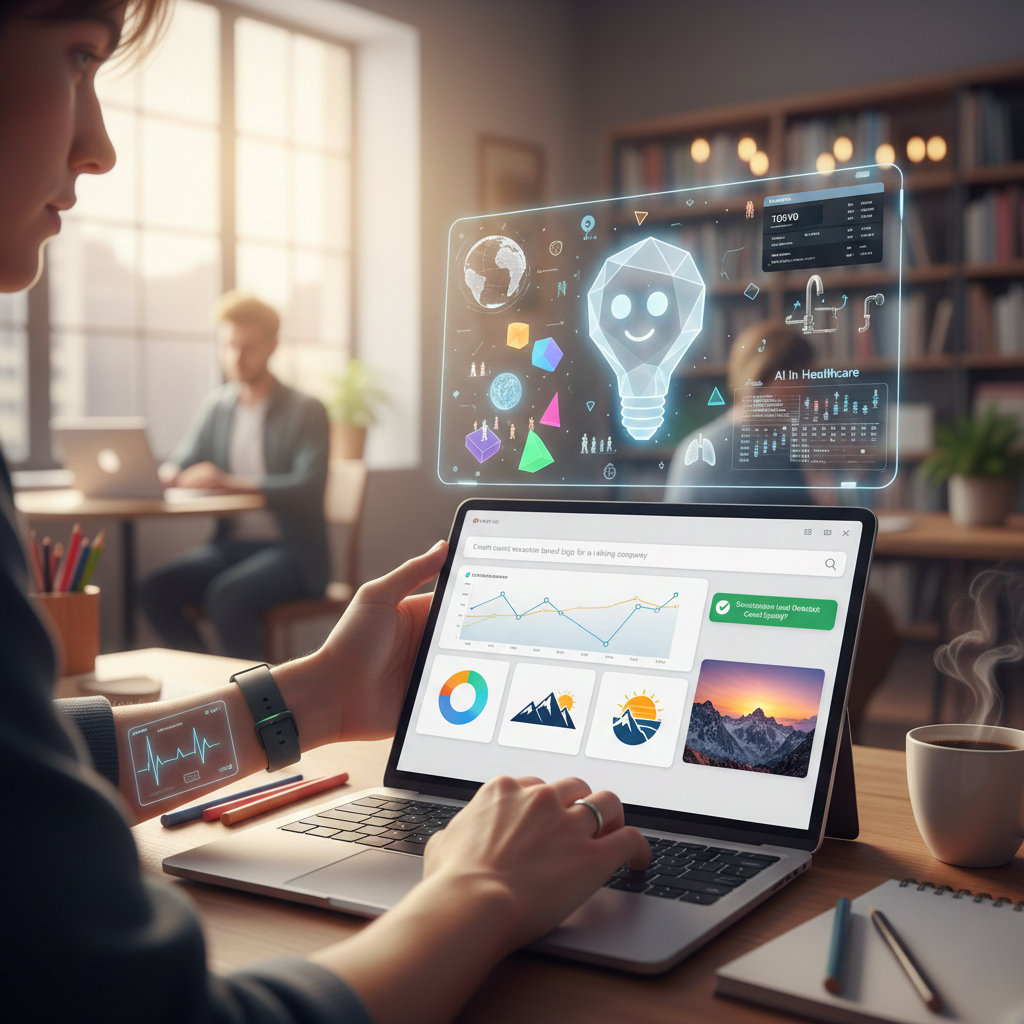
The simple text-box chatbot has evolved into a full-fledged digital companion. Modern assistants like ChatGPT-4o, Google Gemini, and Claude are now “multimodal,” meaning they see, hear, and speak in real-time.
- How people use it: You can point your phone camera at a broken sink, and the AI will walk you through the repair. Or, you can upload a 50-page PDF and ask for a 3-minute audio summary to listen to while you commute.
- The 2026 Edge: “Agentic” behavior. These assistants don’t just give advice; they can now execute tasks, like booking a flight or managing your calendar across different apps.
2. AI-Powered Preventive Healthcare

We’ve moved past basic step-counting. In 2026, AI is your proactive health guardian. By syncing with wearables (like Oura, Apple Watch, or Whoop), AI apps now analyze “digital biomarkers” to spot issues before you feel them.
- The Impact: These apps can detect irregular heart patterns or early signs of respiratory illness weeks in advance.
- Personalized Wellness: Instead of generic advice, AI provides meal plans and workout adjustments based on your real-time glucose levels and recovery data.
3. Hyper-Personalized Learning & Tutoring

Education is no longer one-size-fits-all. AI tutors have become the ultimate “leveling up” tool for both students and professionals.
- Adaptive Learning: Platforms like Khan Academy’s Khanmigo or specialized language apps now adjust their teaching style in real-time. If you’re a visual learner, the AI generates diagrams; if you’re a verbal learner, it tells stories.
- Skill Building: For professionals, AI-driven “Upskilling Agents” curate daily 10-minute lessons to help you master new software or management techniques based on your actual job performance.
4. Intelligent Financial Advisors
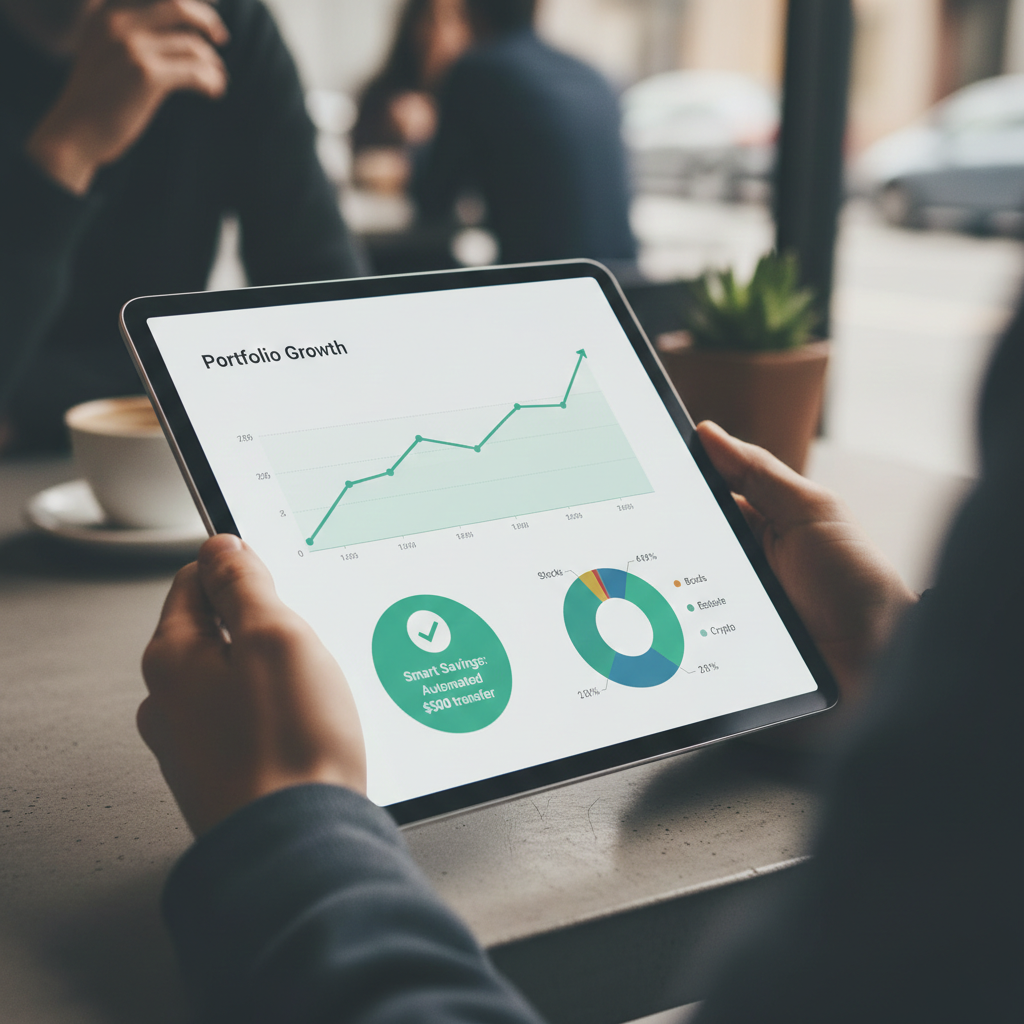
Managing money used to require a spreadsheet and a lot of willpower. Now, “Autonomous Finance” apps handle the heavy lifting.
- Smart Budgeting: These apps don’t just track spending; they predict it. If your subscription costs are rising or you have a “spending leak,” the AI alerts you and offers to cancel the unused services automatically.
- Democratized Investing: AI advisors now offer sophisticated wealth management strategies—once reserved for the ultra-wealthy—to anyone with $50 in their pocket, optimizing taxes and portfolios in real-time.
5. Generative Creative Tools for Everyone
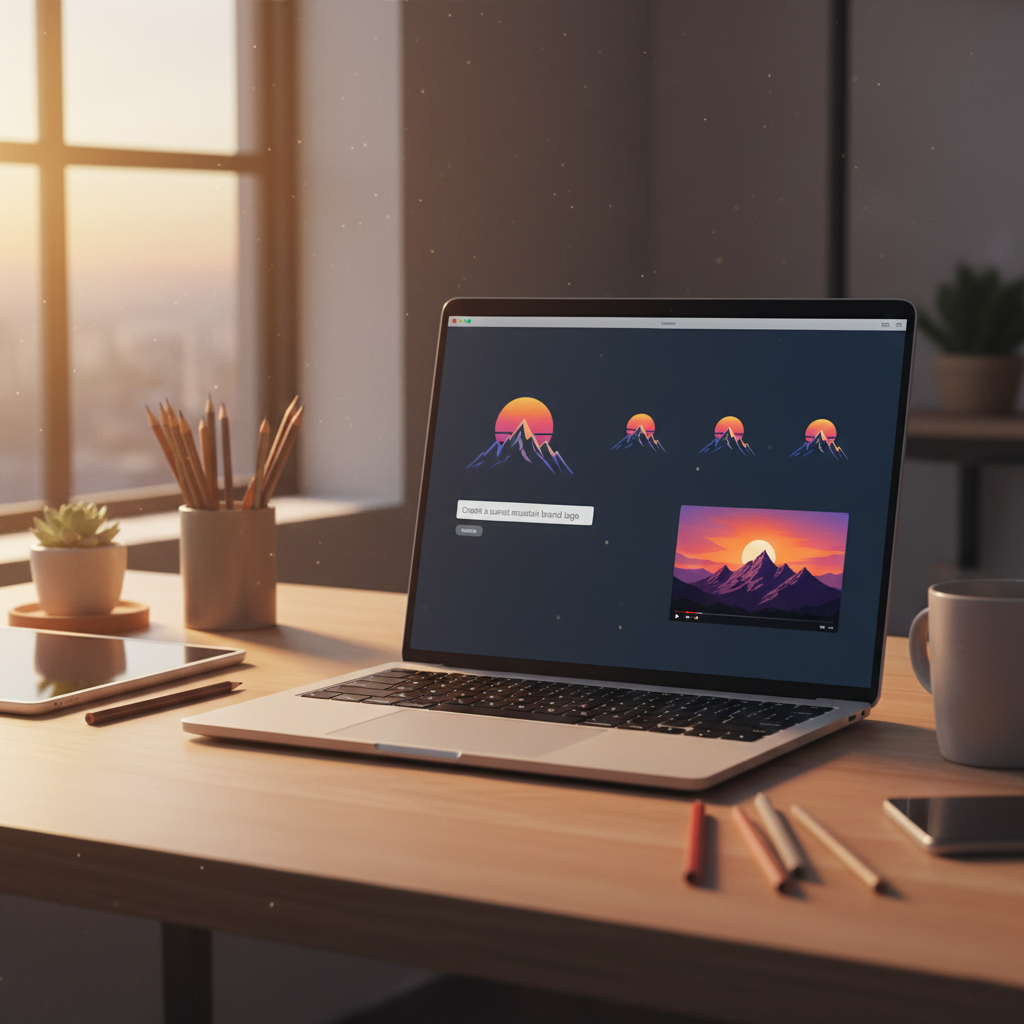
You no longer need to be a Photoshop pro to create high-end content. Generative AI for design and video has become the “Standard” for social media, small businesses, and hobbyists.
- Instant Content: Tools like Canva Magic Studio or Adobe Firefly allow users to turn a sentence into a professional-grade video or a brand kit in seconds.
- Creative Partnering: Instead of staring at a blank page, people use AI to “vibe-check” their ideas, generate mood boards, or even compose original background music for their videos using tools like Suno.
The Bottom Line
In 2026, the best AI isn’t the one that feels the most “robotic”—it’s the one that feels the most invisible. It’s the tool that saves you an hour of research, keeps you healthy, and makes sure you never miss a bill.
Which of these AI tools has made the biggest impact on your week? Let me know in the comments!

