

So realistically speaking, is it safe to use WI-FI Internet—you know places like hotels, coffee shops or perhaps even your own wireless home connection? Actually, it’s not! And while the risk of using a home WI-FI connection may be somewhat low (since presumably you have a secure connection) public WI-FI hotspots are very unsafe. No wonder so many users opt to go with a VPN service for WI-FI hosting.
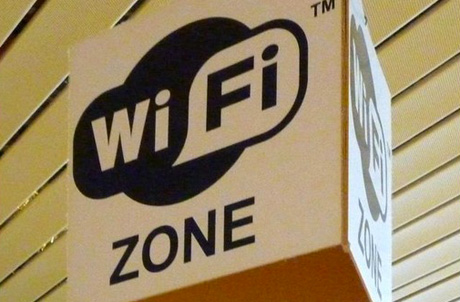
Public WI-FI spots are unsecured, meaning that it’s just as easy for you to use it as it is for your neighbor to use it. (How else do you think hotels “know†if you’re searching for anything raunchy?) Yes, the realization that you can be spied upon when using a WI-FI is a scary one and that’s why it makes sense to work with a VPN provider, so you can secure yourself in Wi-Fi free zones.
 One part of securing yourself for public WI-FI is understanding why there is a threat in the first place. Any data that you transfer (whether uploading or downloading) can potentially be intercepted if no security is enabled. If two users (or “sites†more specifically) transfer data, then eavesdroppers can capture web traffic on sites that use the unsecured HTTP address.
 Now if all you’re doing is viewing sites there is no major threat. However, once you start logging into websites that are supposed to protect your information, you are compromising your privacy without VPN protection. If you use the same password at a forum that you do at a bank, then you are at high risk of online theft.Â
 So in general, try to find websites that use only secure login, namely SSL encryption. SSL is what makes the connection secure, as in a private network. If you do not have a private connection then the best thing to do is to look into VPN hosting, which creates an SSL connection for you, so that you can surf and login to any site securely without the need for a hardwired modem. In the meantime, pay attention to which of your favorite sites actually use HTTPS/SSL encryption for login access and for email downloading or uploading.Â
 If you do not have SSL enabled, you are leaving your connection open to WI-FI eavesdroppers. Remember that email clients that rely on POP3, IMAP email or FTP transferring are also vulnerable to WI-FI eavesdroppers. The easiest way to secure yourself in WI-FI free zones is to work with a VPN provider who can give you the privacy you need!
You can follow us on Twitter or join our Facebook fan page to keep yourself updated on all the latest from Microsoft, Google and Apple.

